Explore Through Scent
Rainforest Lift & Sniff Display
Lift a flap and discover a scent from the rainforest story. This custom-built sensory display brings interchangeable scent pods and interpretation graphics together in a freestanding activity unit.
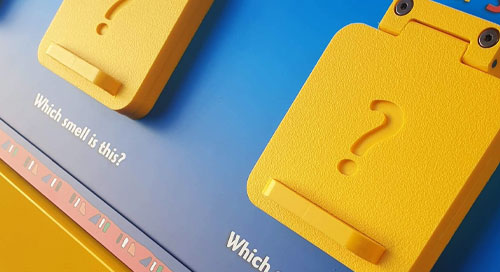
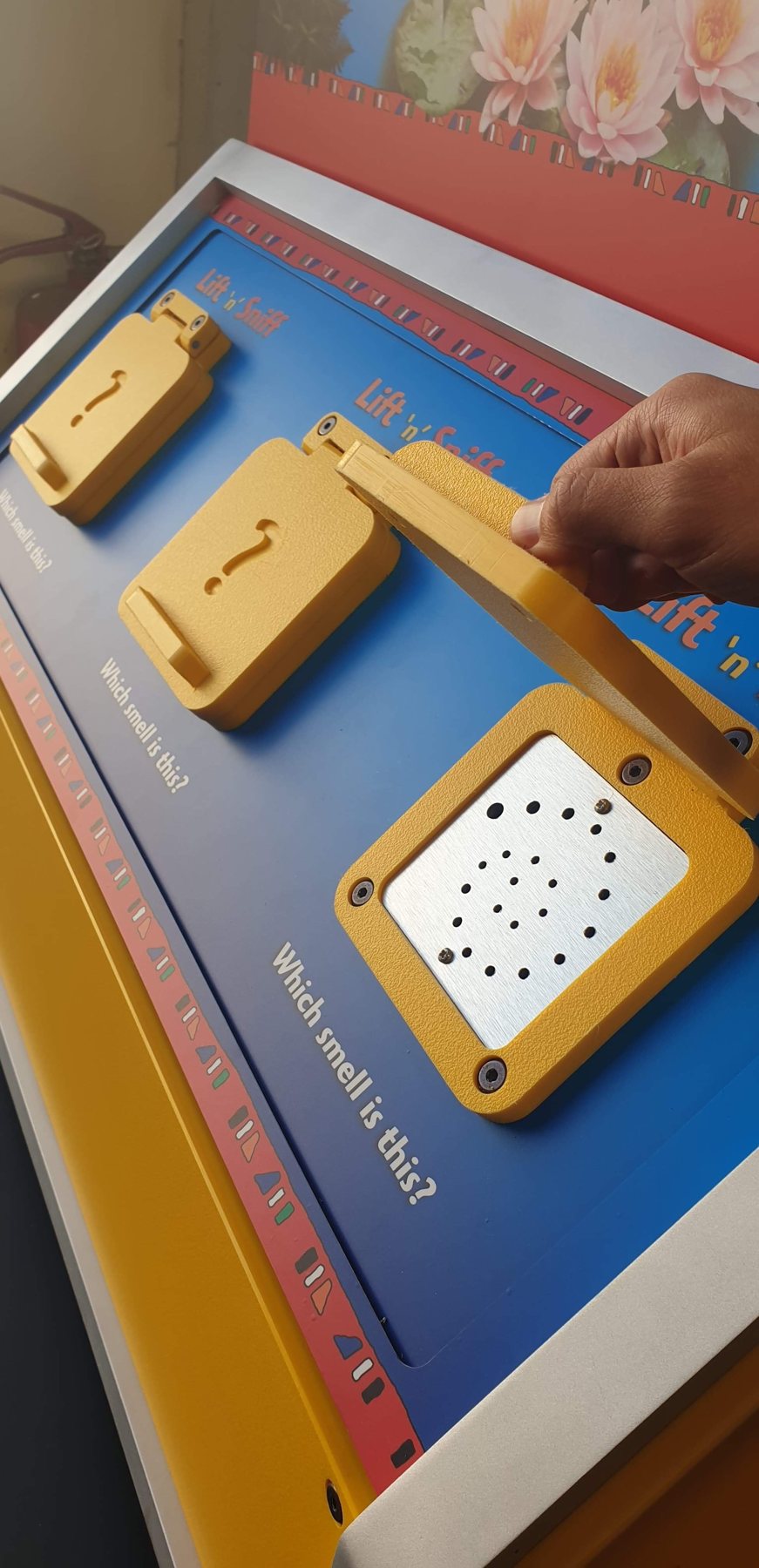
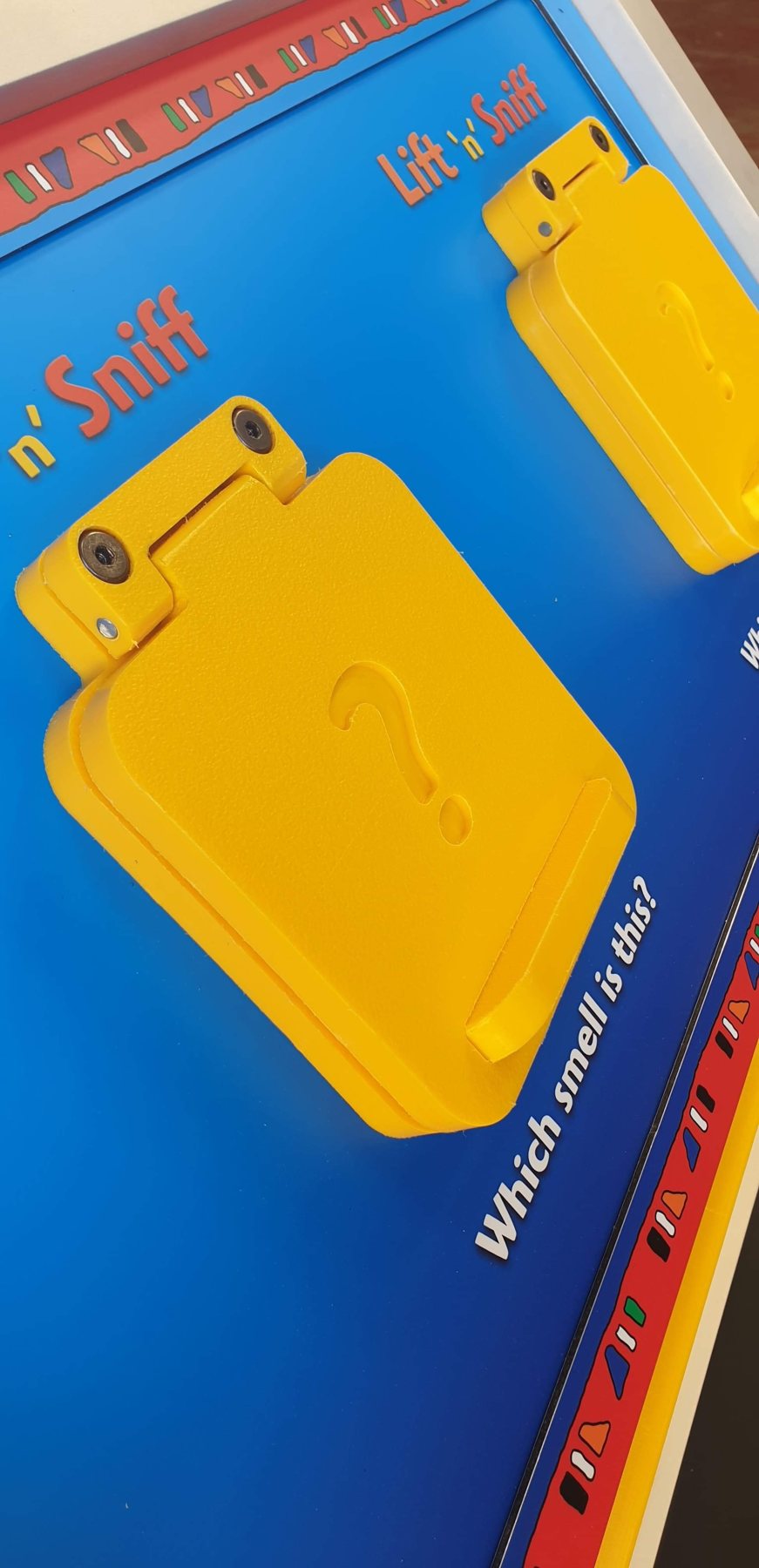
A series of lift-up flaps gives visitors a physical way to explore the subject. Each flap opens onto a scent point, encouraging them to compare the different smells and connect the experience with the information on the display.
The frame, angled activity surface and printed interpretation were made as a coordinated unit. Replaceable scent pods allow the sensory contents to be changed, supporting an exhibit where smell becomes part of the learning experience.
Explore the interactive
Scent adds another route into the rainforest subject. Lifting a flap gives each discovery a deliberate action, while the interpretation provides the context for what visitors notice. The replaceable pods are a practical feature of the display format, allowing the sensory contents to be renewed. The freestanding unit brings the physical activity and its graphics together in a single piece of bespoke exhibit furniture.
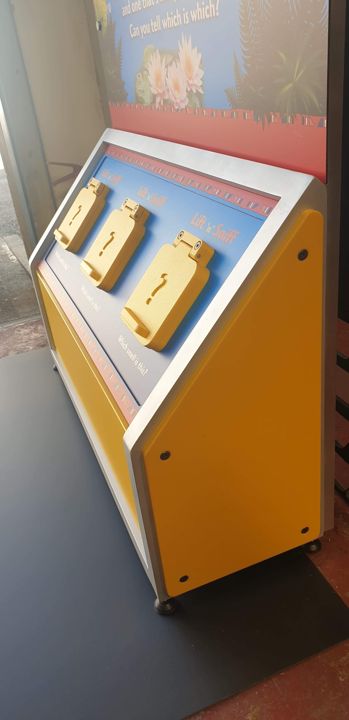
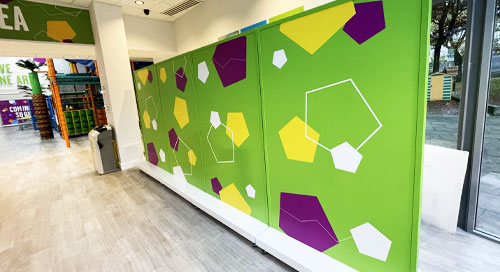
The freestanding lift-and-sniff activity unit. The bespoke sensory exhibit brings rainforest interpretation, lift-up flaps and replaceable scent pods together in a freestanding visitor activity.
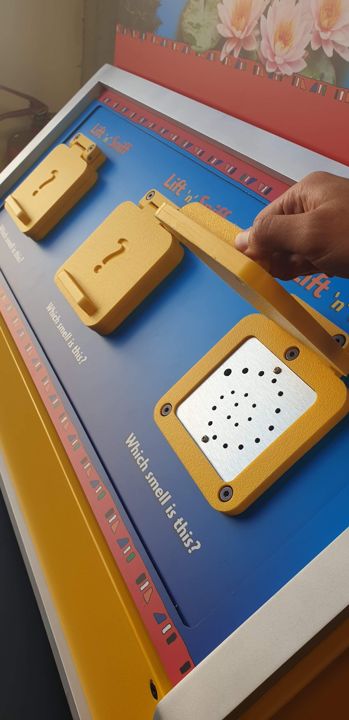
An open flap revealing a scent point. Lifting the flap creates a deliberate moment of discovery, inviting visitors to compare a smell with the subject described in the interpretation.
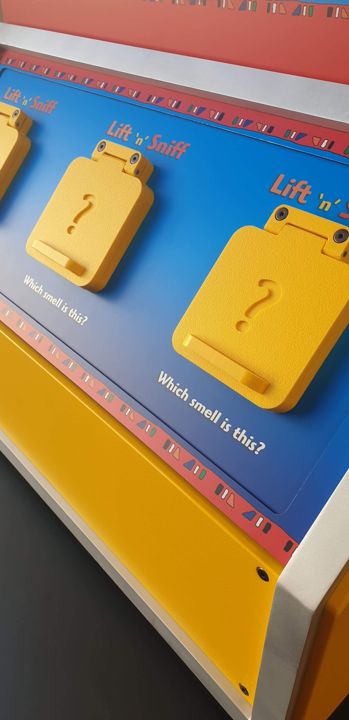
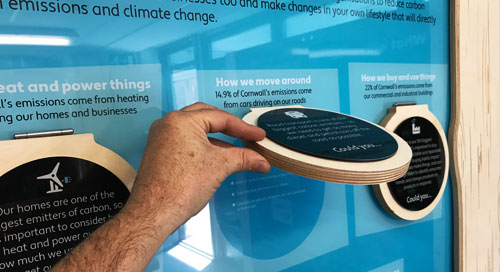
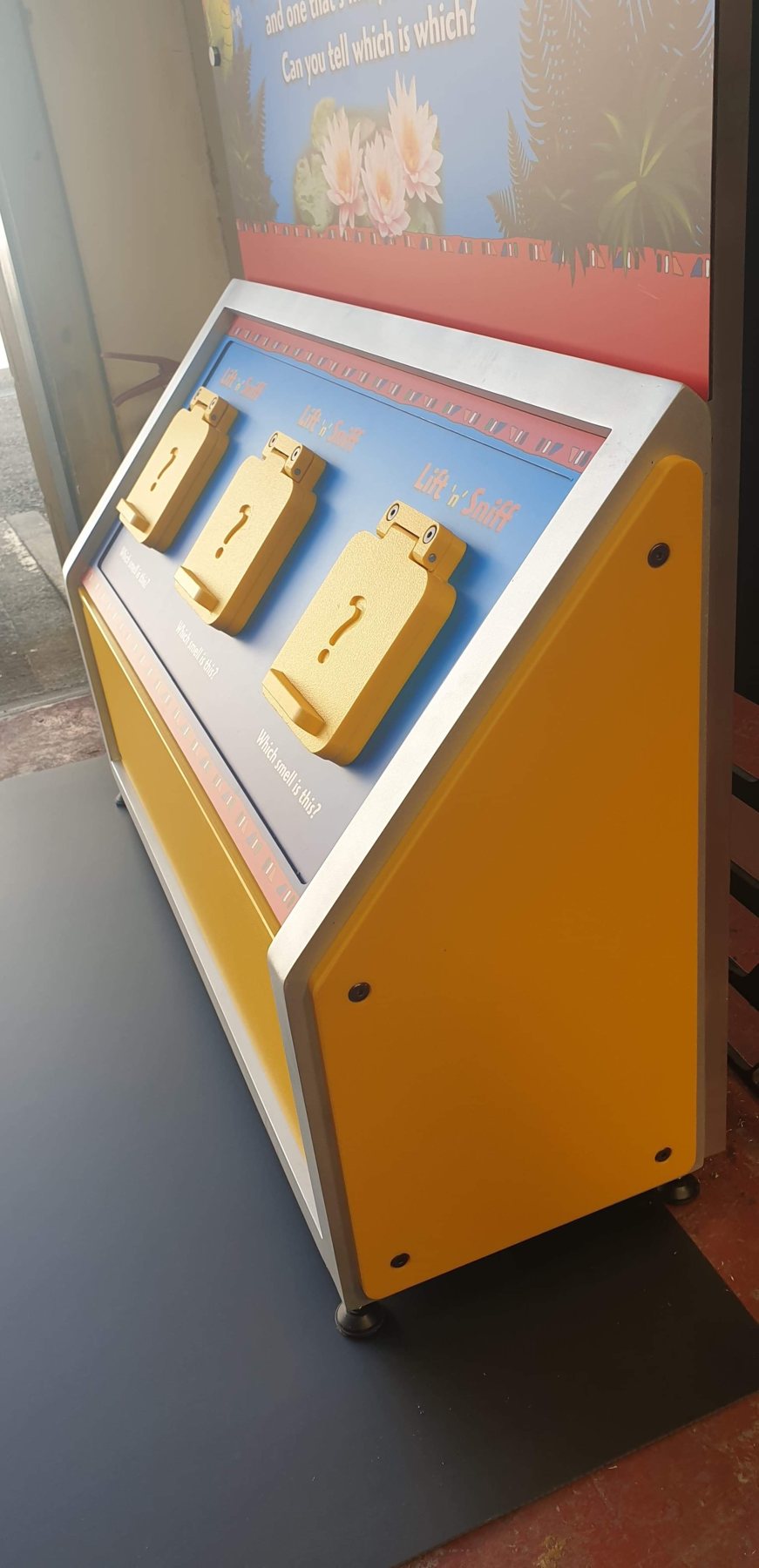
Lift-up flaps on the angled activity surface. The angled work surface presents the individual scent activities together, giving the museum display a clear sequence of physical discoveries.
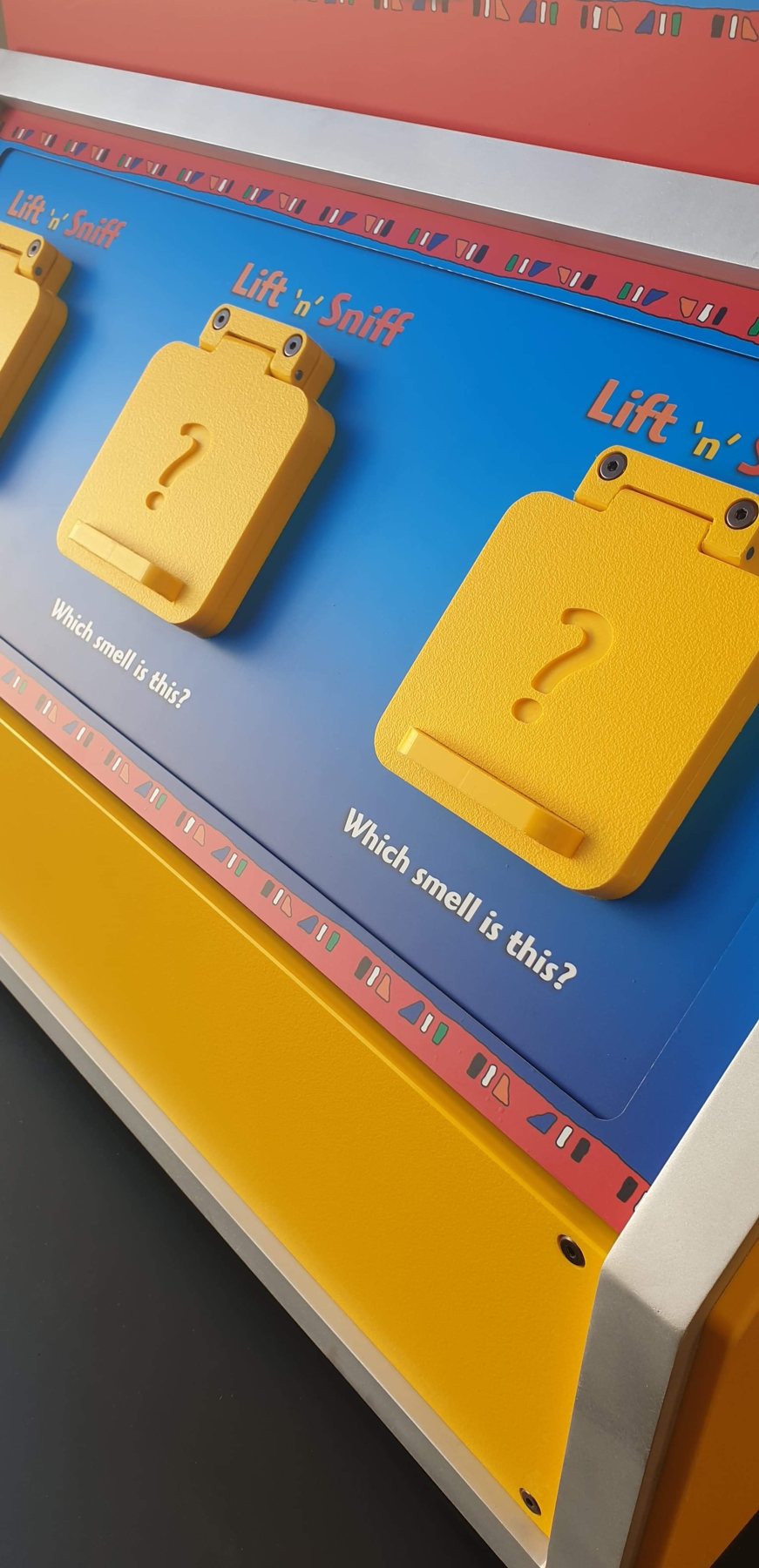
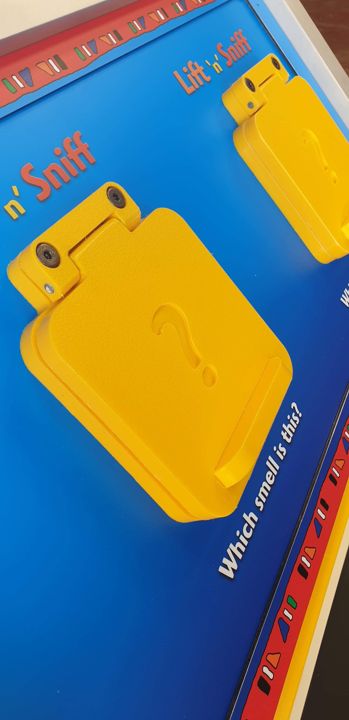
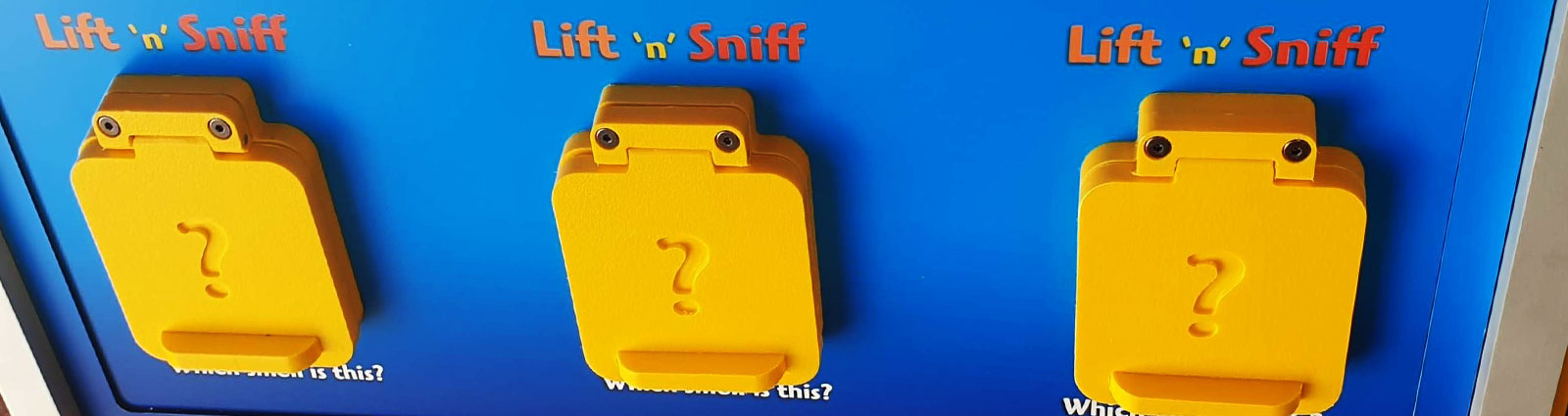
Close-up of a closed flap and surrounding interpretation. The printed panel provides context before and after the reveal, helping connect each sensory impression with the rainforest learning experience.
Back to Interactives
Develop the right interactive approach for you...
We begin with your story, audience, space and objectives. You don’t need to arrive with a finished brief. We test mechanisms, controls and user interactions and deliver the completed experience.