Discover Railway Engineering
Steam & Diesel Railway Interactives
Wheel turning, lifting and scene building introduce younger visitors to railway engineering. More Creative designed and produced these educational exhibits with the curators at Talyllyn Railway Museum in Wales.
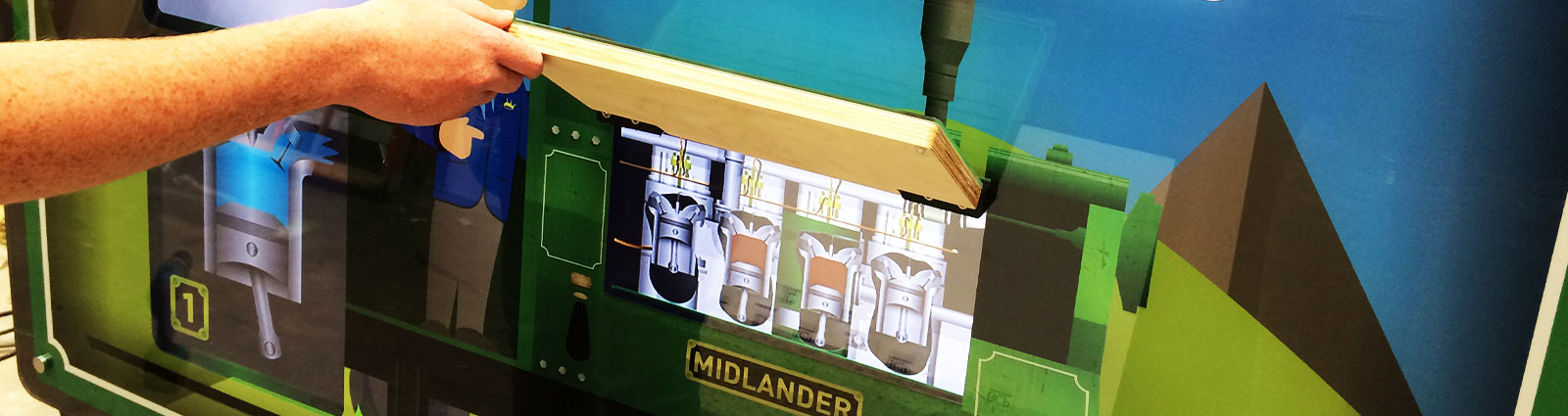
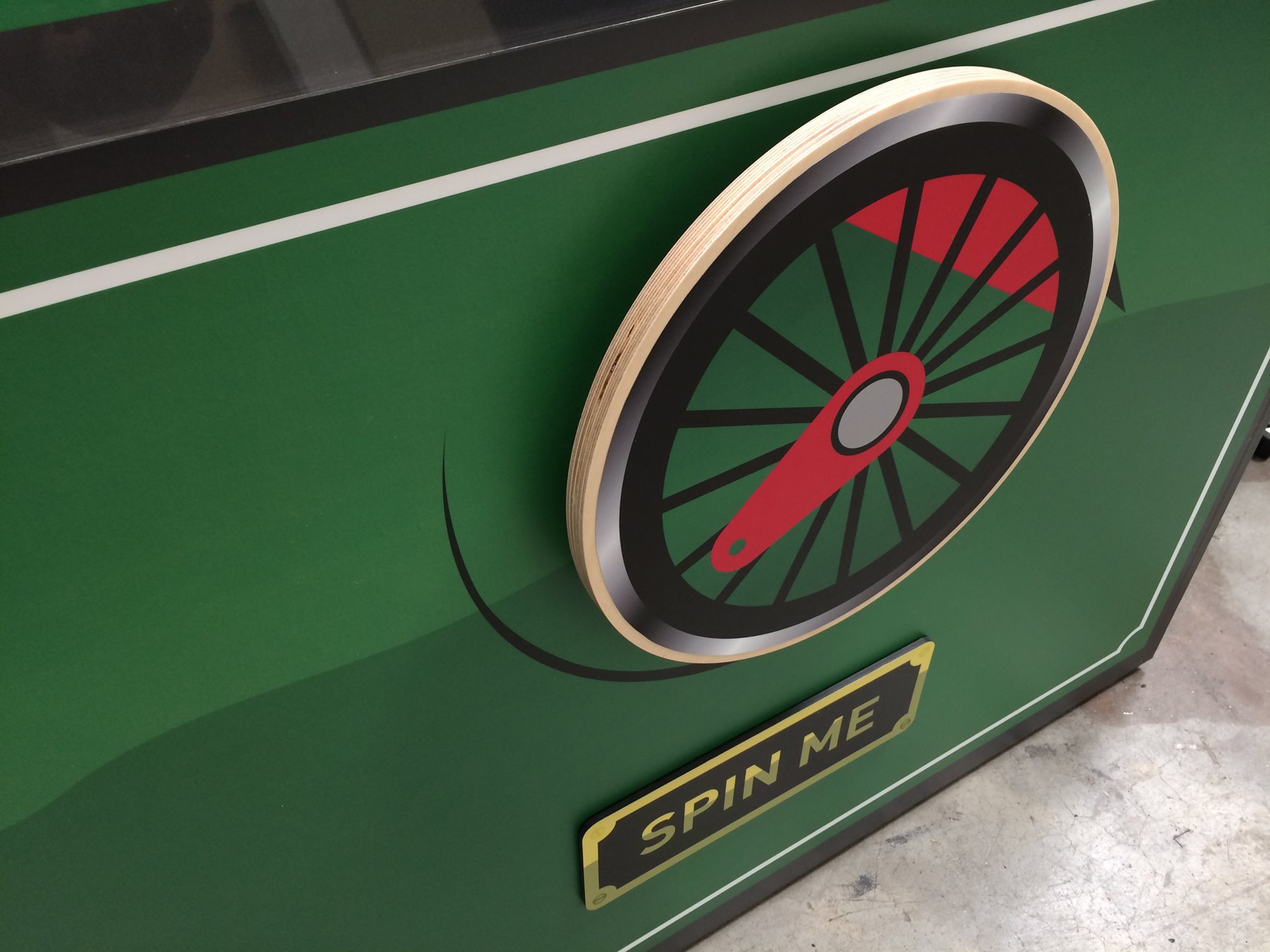
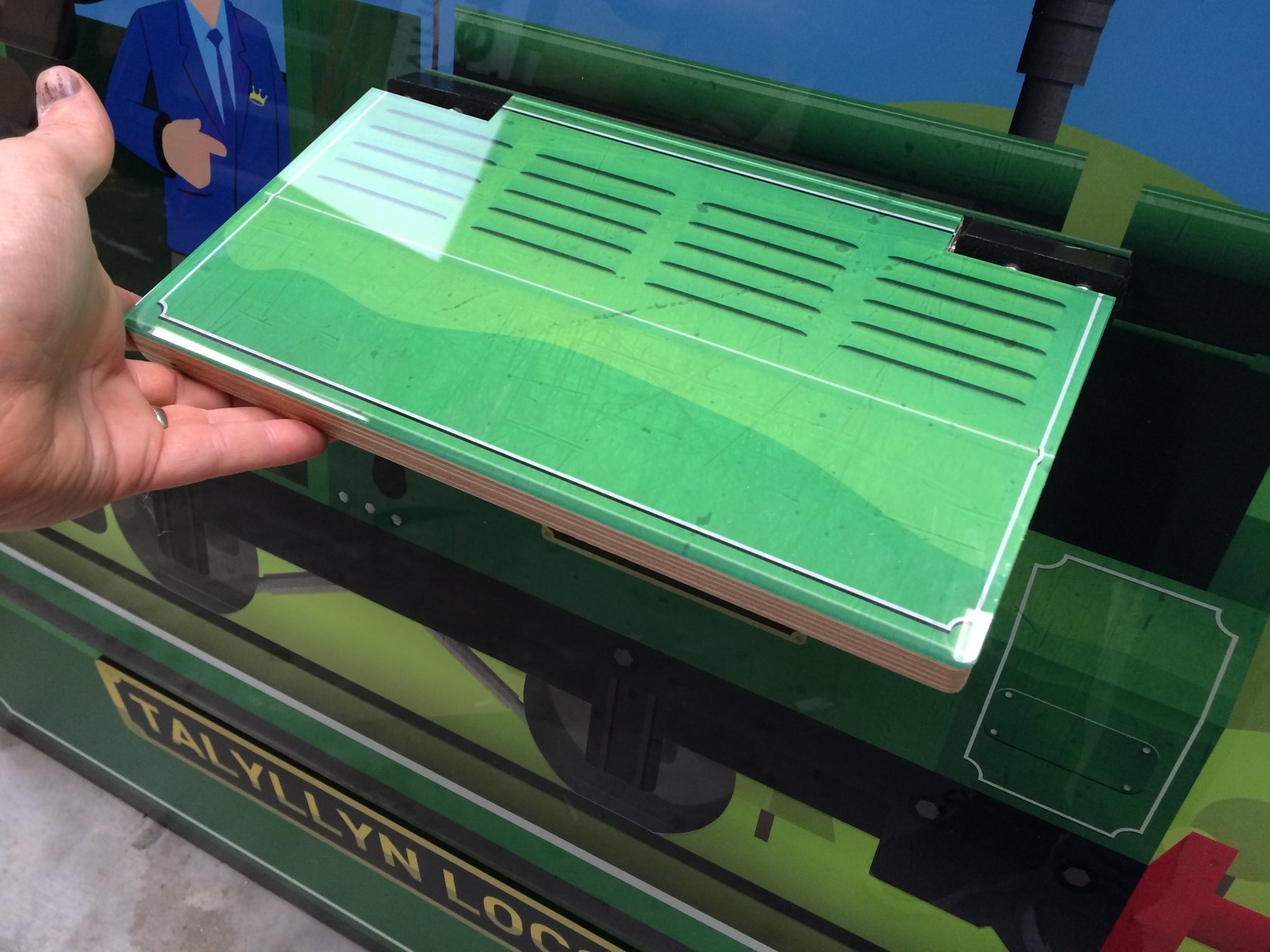
The steam exhibit combines a turning wheel handle with shunting sounds. A second activity reveals an animated diesel engine when the bonnet is lifted, using motion graphics to show the engine running. Together they give visitors different ways to investigate railway technology.
The wider set also includes a magnetic railway scene with cut-out train pieces and an acrylic storage holder. Detailed printed wraps connect the physical activities to their railway setting, while sound and video add another layer to the interpretation.
Explore the interactive
The railway activities use actions that fit their subject: turn a wheel, lift a bonnet or arrange a train scene. Each gives visitors a different starting point, with sound, moving imagery and printed detail extending the explanation. Developed with the museum’s curators, the set brings several forms of interpretation into one railway story and encourages younger visitors to investigate through physical participation.
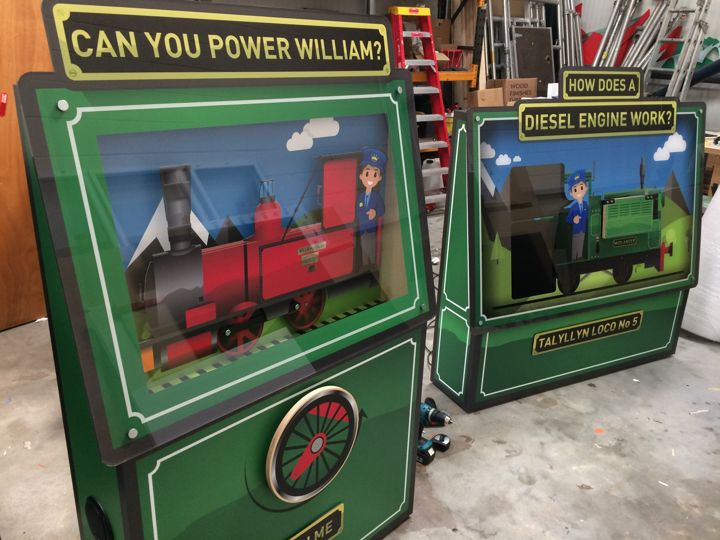
Steam and diesel exhibits together after manufacture. Developed with Talyllyn Railway Museum’s curators, these hands-on heritage exhibits offer different ways for younger visitors to investigate railway technology.
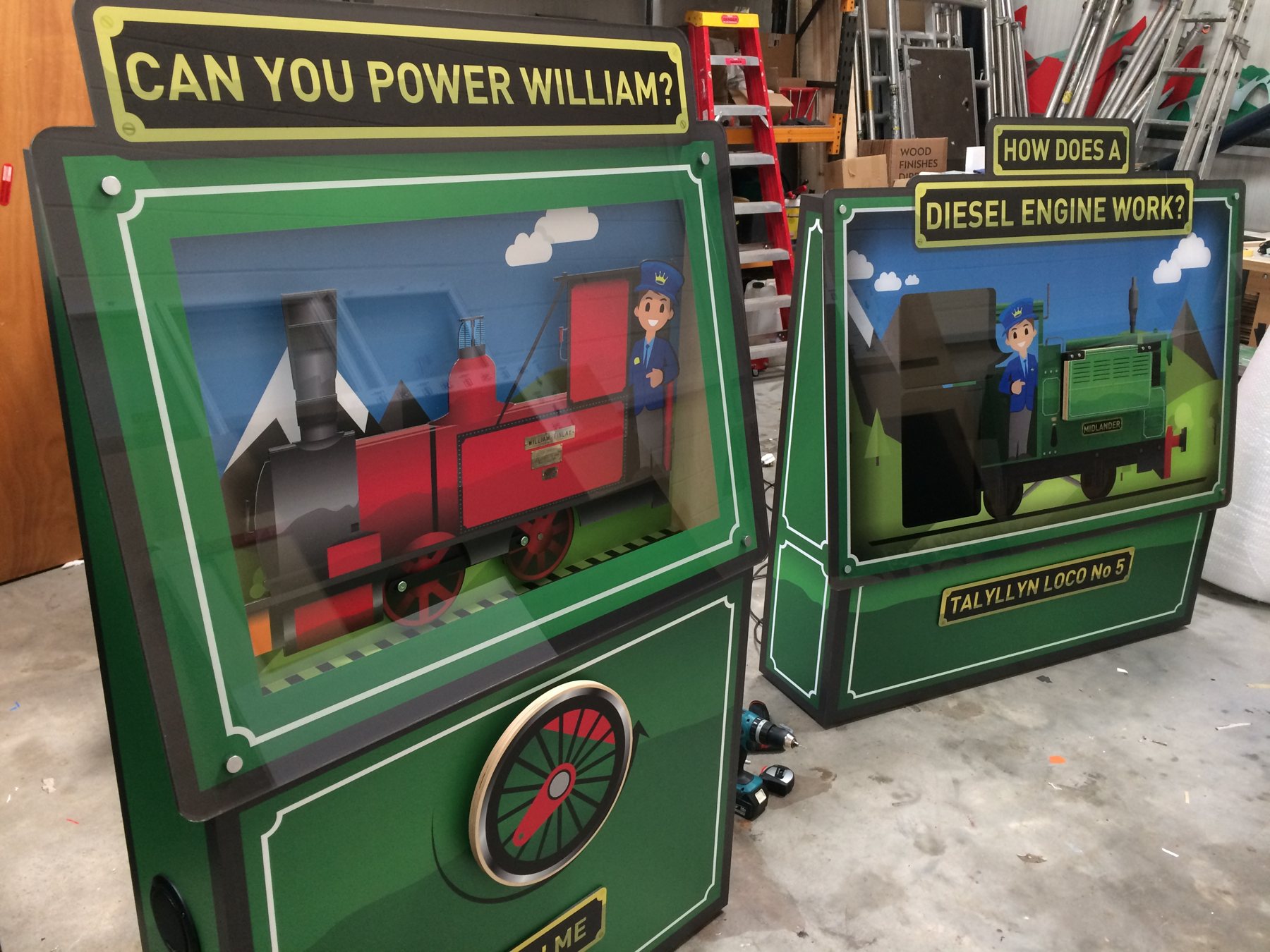
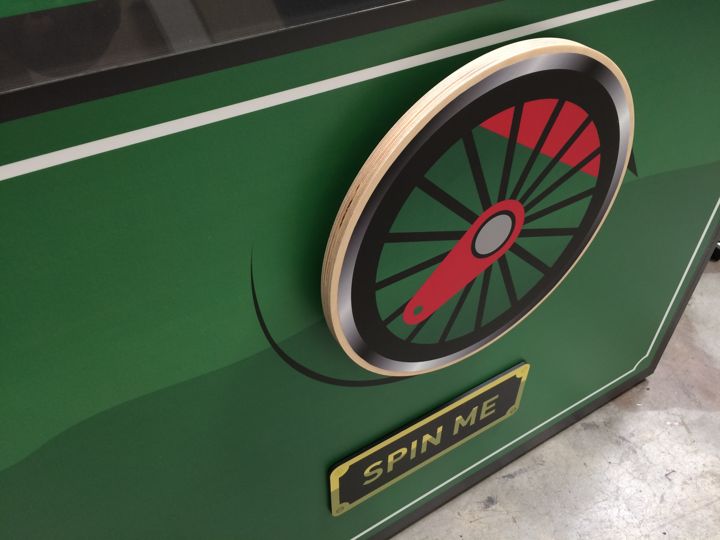
The hand-operated wheel on the steam activity. Turning the wheel adds a physical action to the steam railway story, with shunting sounds helping connect movement and interpretation.
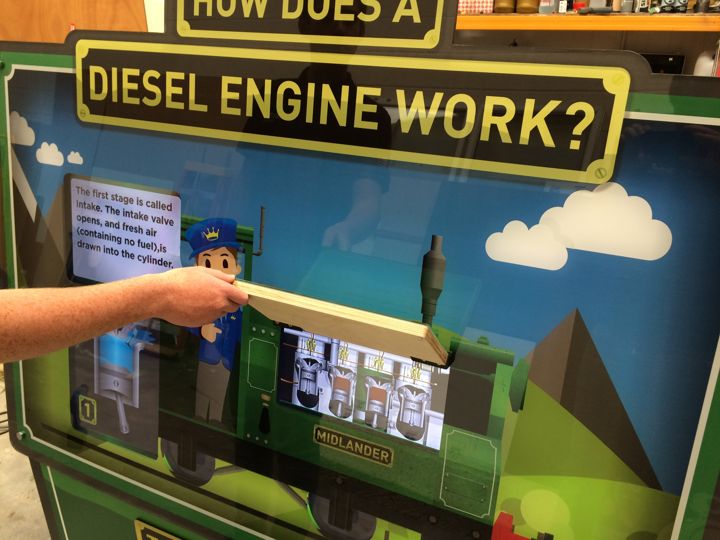
Lifting the bonnet to reveal the animated diesel engine. The lift-up reveal introduces an animated engine sequence, combining a simple mechanical action with audiovisual museum interpretation.
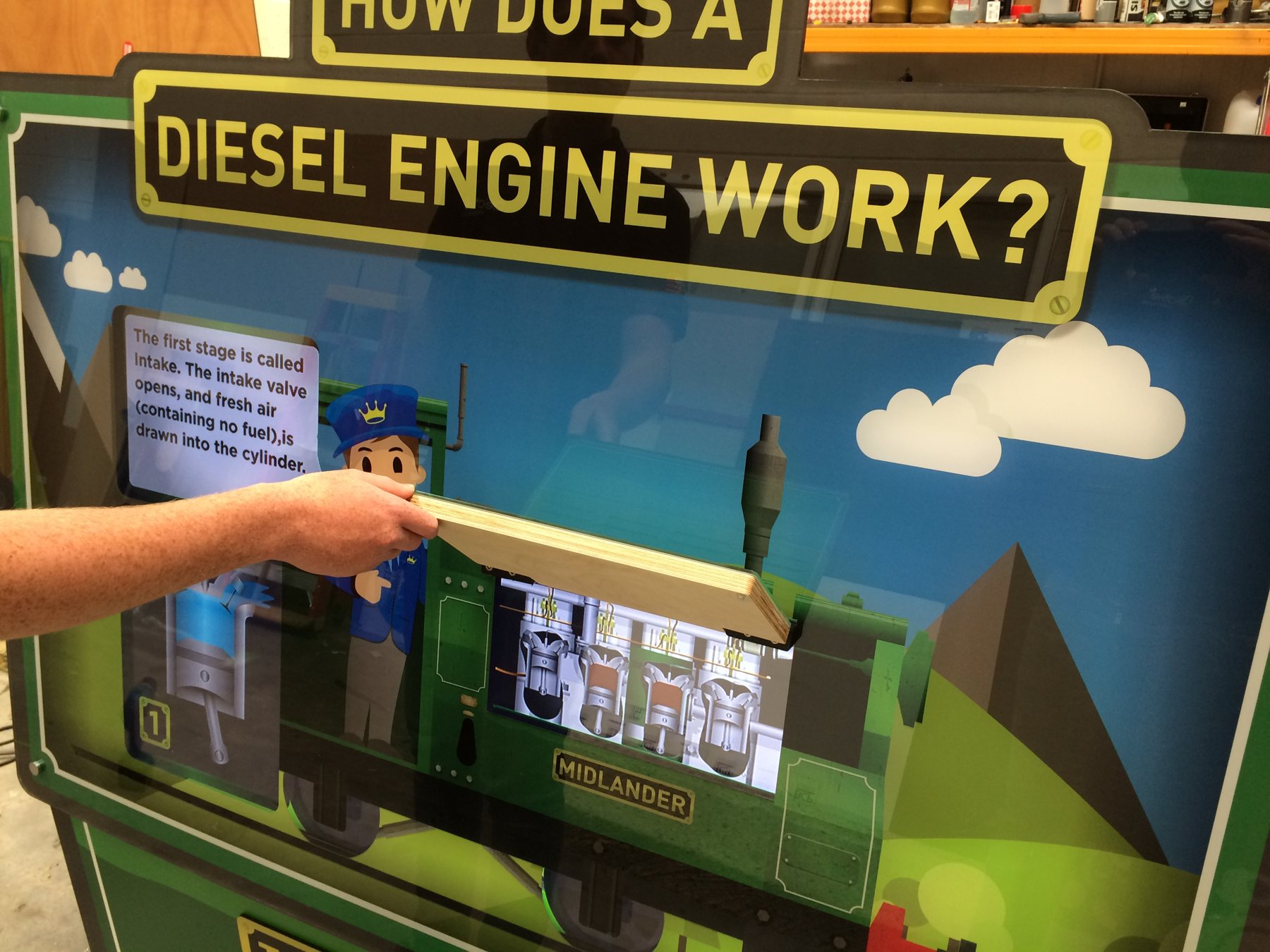
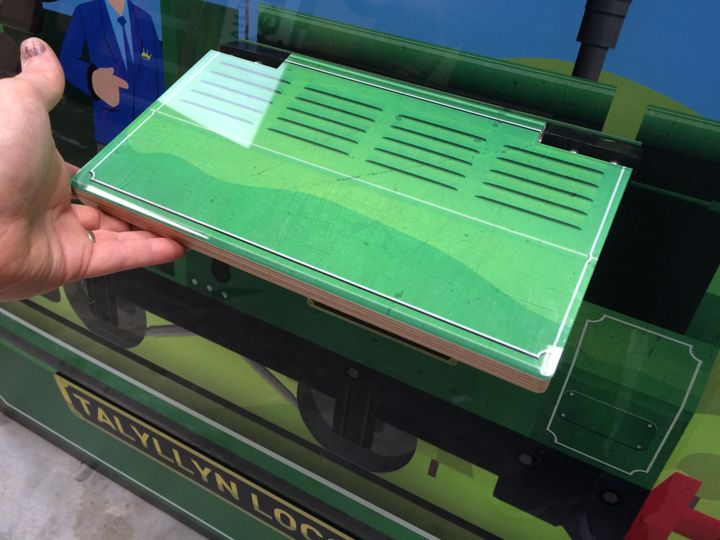
Detail of the opening diesel-engine bonnet. The bonnet becomes part of the learning activity, encouraging visitors to look inside and explore the diesel engine through the screen-based animation.
Back to Interactives
Develop the right interactive approach for you...
We begin with your story, audience, space and objectives. You don’t need to arrive with a finished brief. We test mechanisms, controls and user interactions and deliver the completed experience.