Hydraulics in Action
Hydraulic Nutcracker Interactive
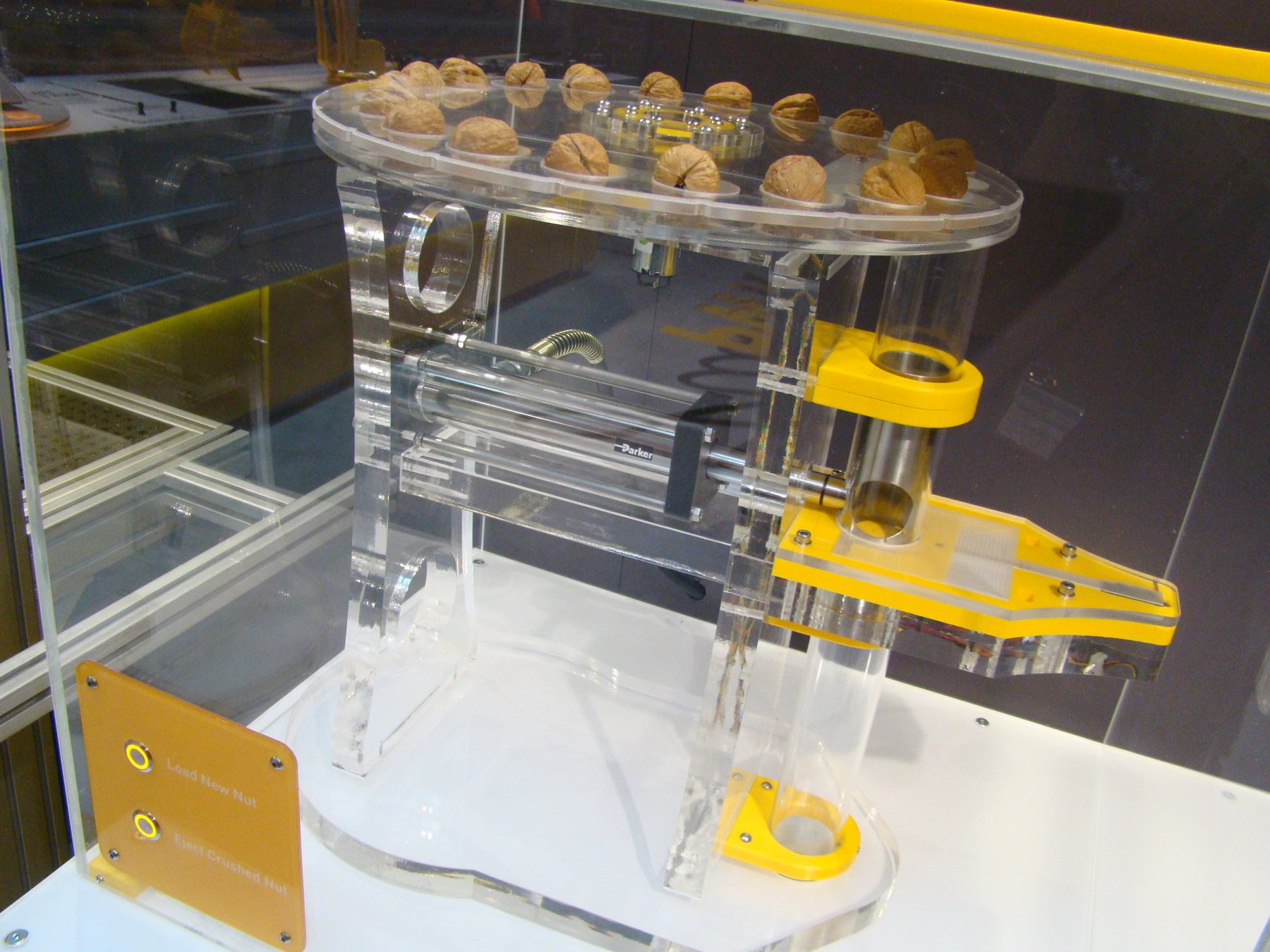
A button press sets an automated nut-cracking mechanism in motion. The exhibit demonstrates the power of hydraulics through a familiar task, with the working sequence visible inside a clear display.
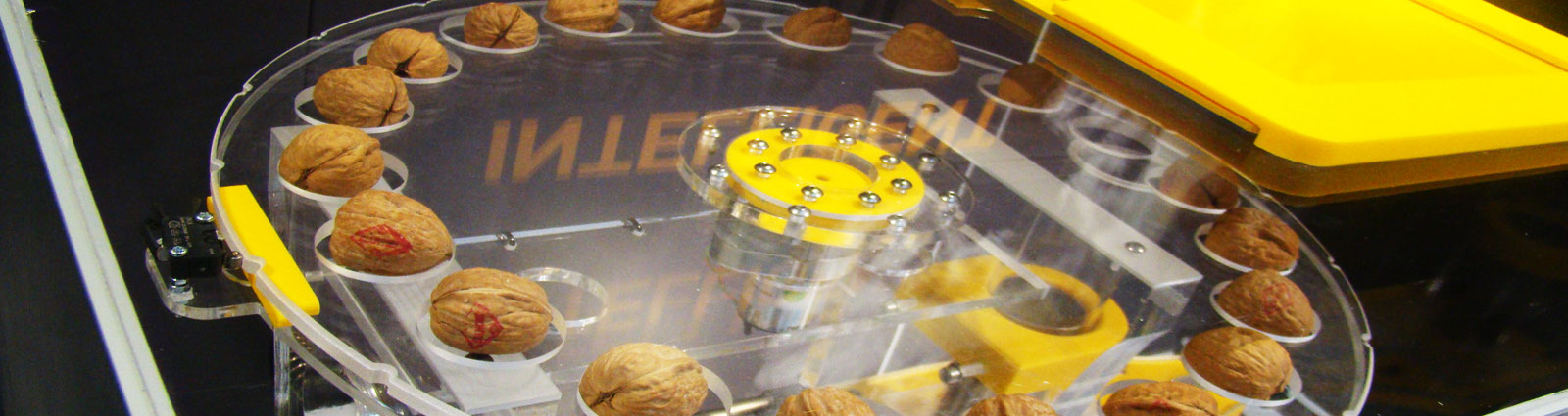
A rotary mechanism loads the nut and lets it drop into the cracking position. Visitors can follow the sequence from loading to cracking, turning a mechanical principle into an observable event.
Nut waste is collected within the acrylic display plinth and kept away from the public operating area. The combination of a visible mechanism, a simple trigger and a contained demonstration supports engineering interpretation through a concrete example.
Explore the interactive
Cracking a nut provides an immediately recognisable purpose for the hydraulic demonstration. Visitors can follow the loading and cracking sequence through the clear enclosure, connecting movement in the mechanism with its result. The exhibit turns an engineering principle into a visible process, while the contained assembly and waste collection keep the working demonstration distinct from the visitor’s operating area.
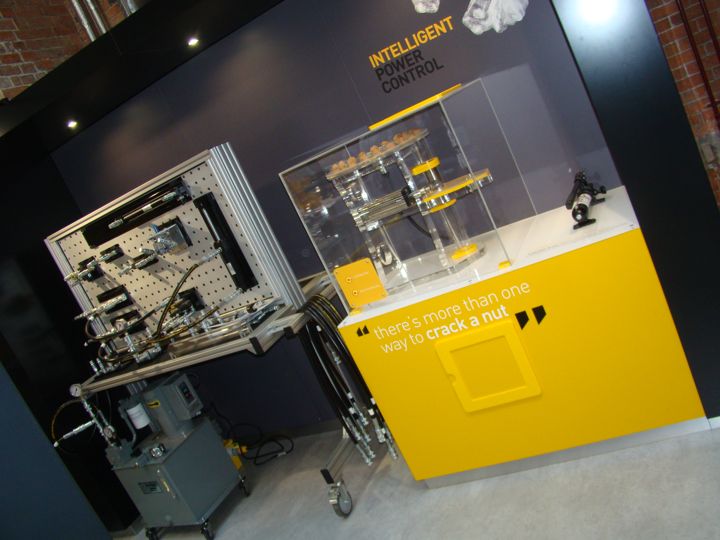
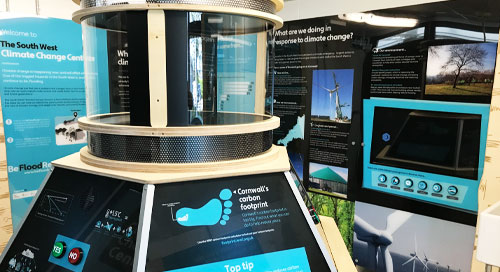
The completed hydraulic nutcracker exhibit. This hands-on engineering display demonstrates hydraulic power through an automated nut-cracking sequence that visitors can start and observe.
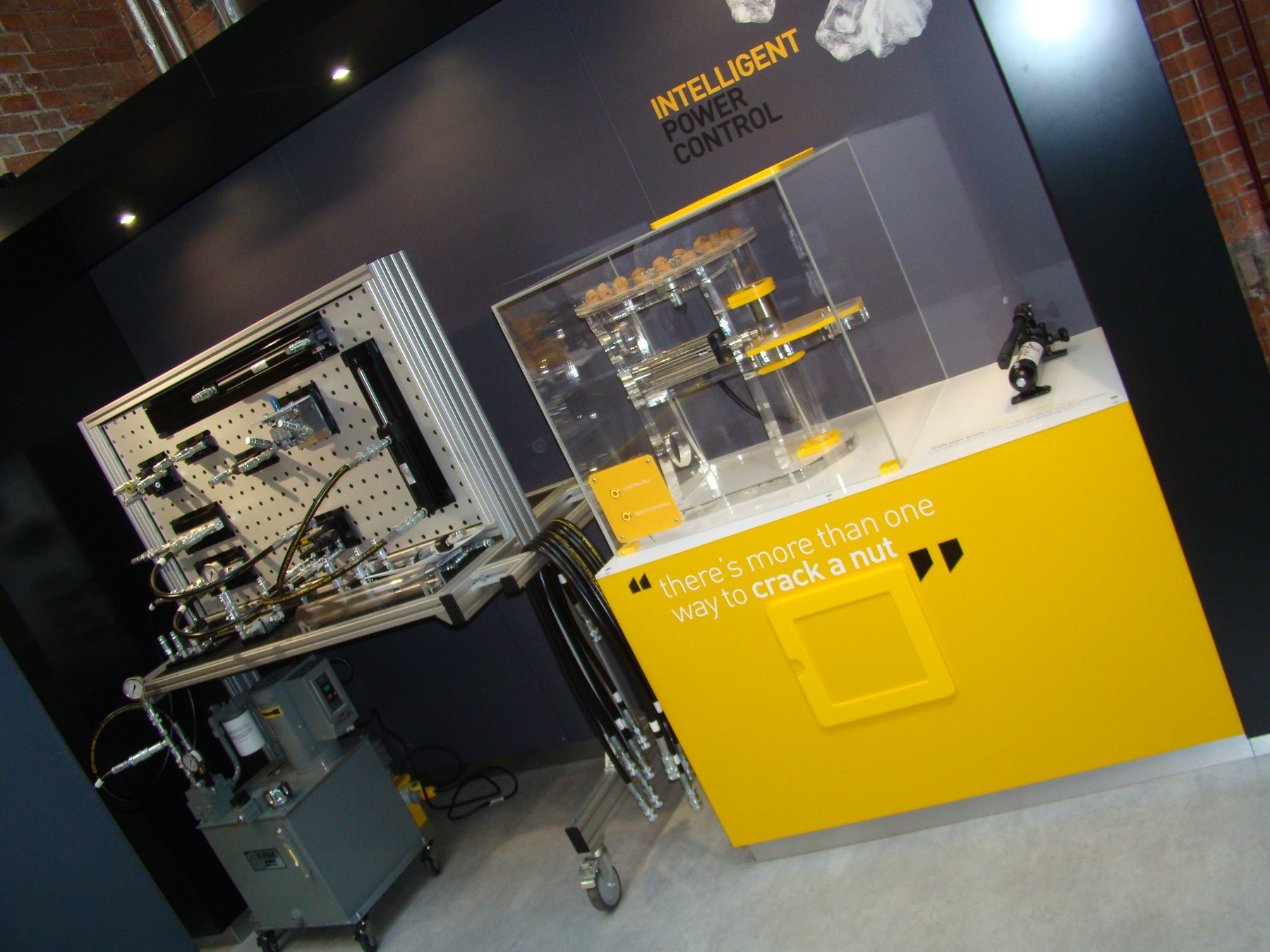
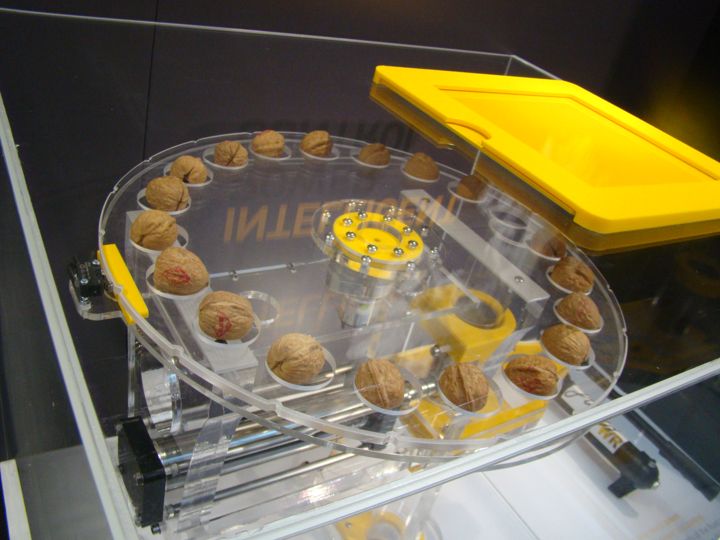
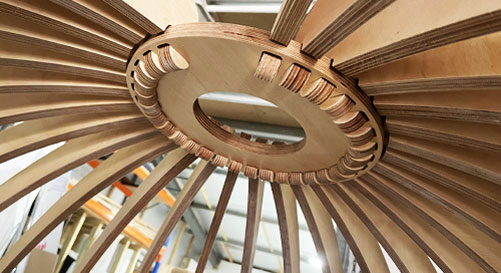
The rotary nut-loading mechanism. The loading stage moves the nut into position, helping visitors follow the order of operations within the working mechanical demonstration.
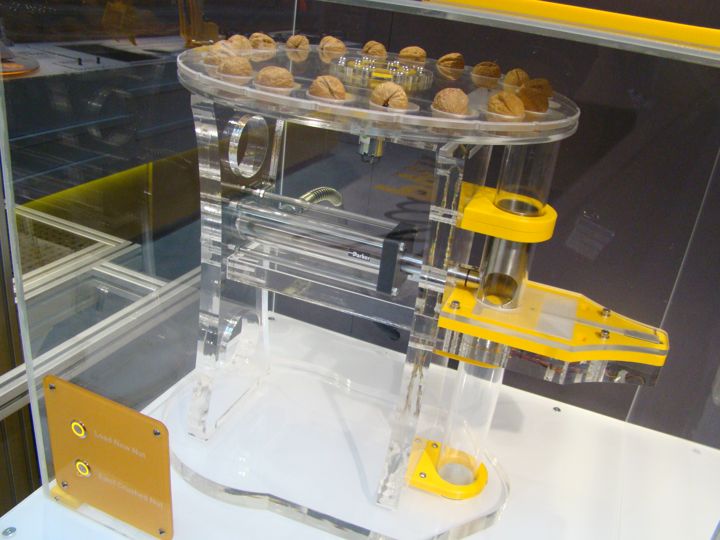
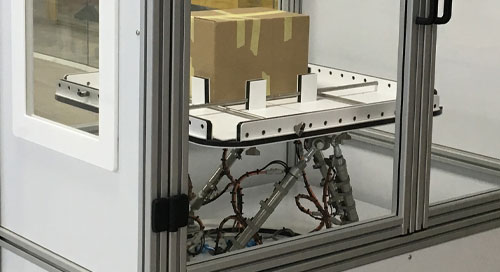
The clear enclosure and nut-cracking assembly. The transparent display makes the process visible while the enclosure collects the waste, bringing the engineering activity into a contained exhibit.
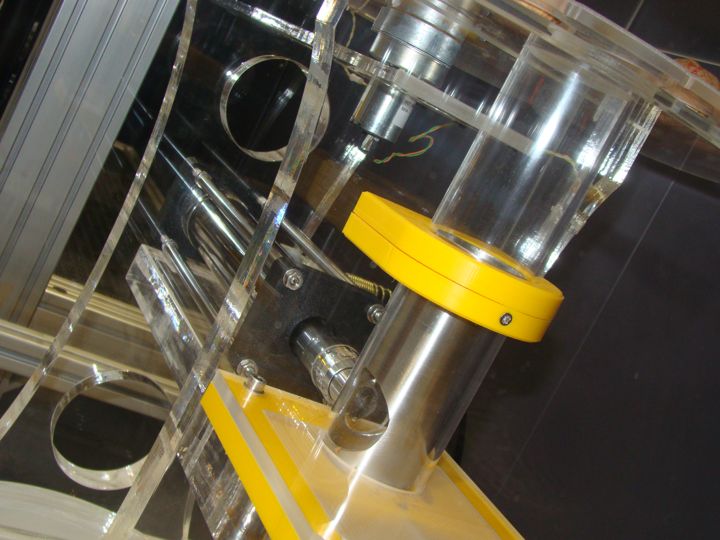
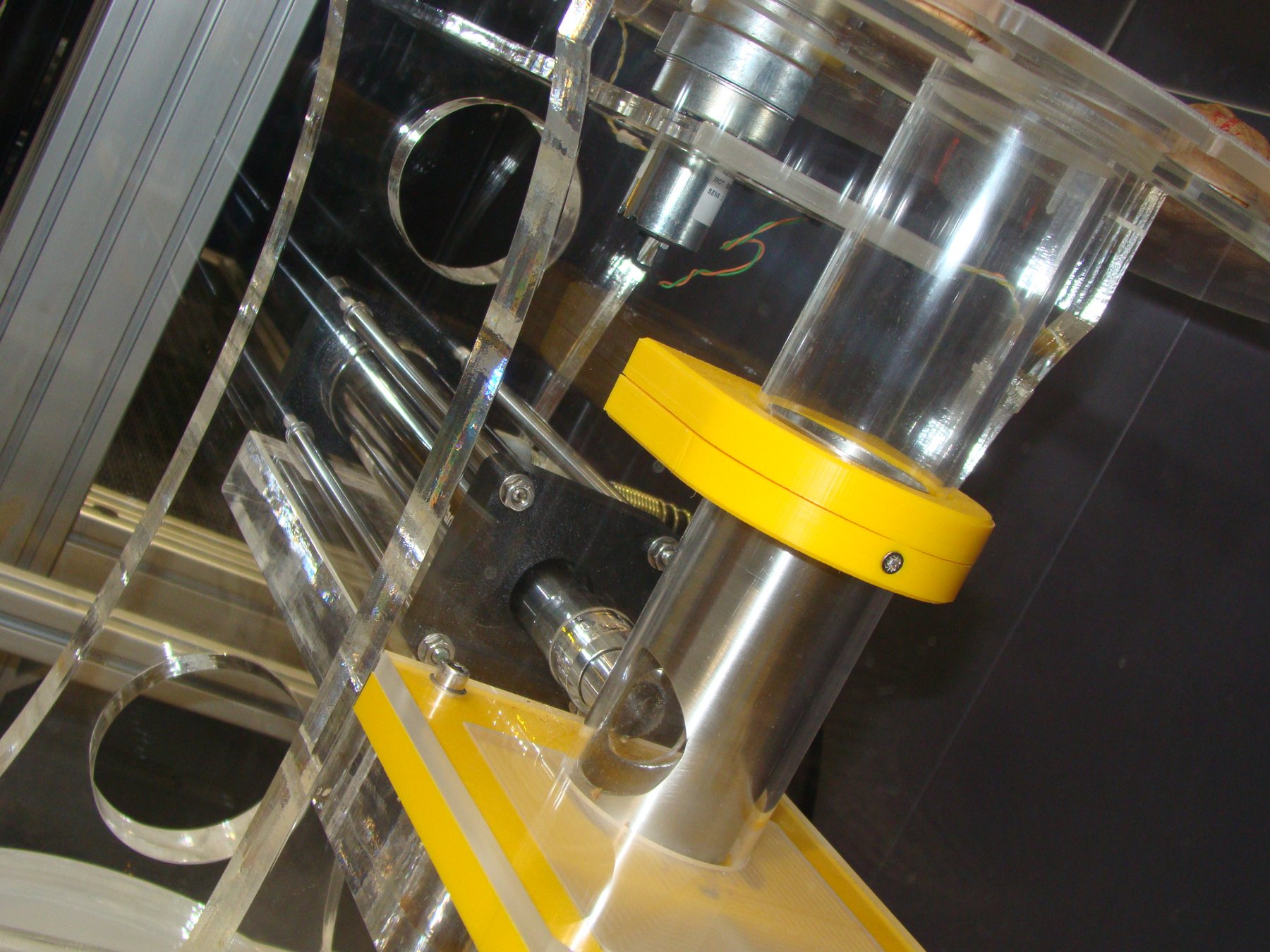
Close-up of the hydraulic mechanism. The visible assembly connects a familiar task with hydraulic force, providing a concrete example for science and engineering interpretation.
Back to Interactives
Develop the right interactive approach for you...
We begin with your story, audience, space and objectives. You don’t need to arrive with a finished brief. We test mechanisms, controls and user interactions and deliver the completed experience.